LASIK Treatment & ICL Surgery in Chennai | Expert LASIK Eye Hospital
Experience clear, spectacle-free vision with advanced LASIK treatment and ICL surgery in Chennai at Dr. Ashok Eye Hospital – Unit of Centre for Eye and Health Care (CEHC). Our experienced refractive surgeons use modern diagnostic technology and personalized treatment planning to determine the most suitable vision correction procedure for your eyes. Whether you’re considering LASIK, Femto LASIK, SMILE, or Implantable Collamer Lens (ICL) surgery, CEHC is committed to delivering safe, precise, and effective outcomes with comprehensive pre- and post-operative care.
Refractive Surgery - LASIK / ICL
Spectacles are an aid to see better, however, not everyone needs it. It is required because the dimensions of the eye do not bring the rays of light entering the eye to a clear focus on the retina.
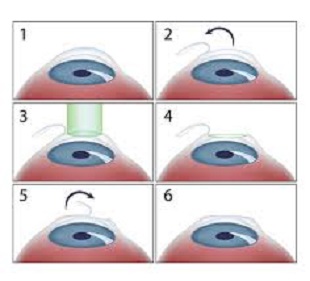
What are the options if a person wants crisp vision and still not want to wear glasses?
The primary advantage for the use of femtosecond lasers in corneal refractive surgery is the improved safety over microkeratomes in creation of the lamellar flap. Additional advantages includes
- Increased precision
- Customization
- Ease of surgery
Femtosecond lasers allow for customization of the flap for each patient. In addition to producing reliable flap thicknesses, the flap diameter can be selected to one-tenth of a millimeter.
Femtosecond lasers are state of the art lasers that offer more surgical precision than current manual techniques.
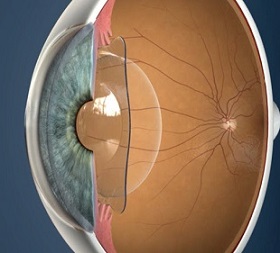
ICL implantation
There are some eyes which are not suited for any of the above mentioned laser procedures to correct the “power” in them.
These patients can undergo ICL (Intraocular Collamer Lens) placement within the eye(s) which is an intraocular procedure unlike LASIK which is a procedure on the surface of the eye. ICL surgeries today have a very high success rate and keep the persons spectacle independent.
The added advantage is that the procedure is reversible. Specific tests are needed to confirm the eye is suitable to have an ICL placed within.
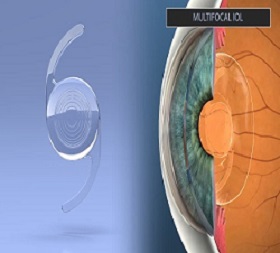
CLE (Clear Lens Extraction) with multifocal lens implantation
This is a procedure where the non-cataractous (crystalline) lens of the eye is removed by phacoemulsification and a multifocal / trifocal / EDOF lens is placed giving spectacle independent vision for all ranges.
This is an intraocular procedure and the benefit is that a future cataract surgery will not be required.
Consult an Experienced LASIK Specialist in Chennai
LASIK surgery requires careful evaluation before treatment. At Dr. Ashok Eye Hospital, Dr. Ashok Rangarajan has over 30 years of ophthalmology experience and provides comprehensive assessment for refractive surgery candidates. Every patient undergoes detailed testing to determine whether LASIK, Femto LASIK, PRK, or ICL is the safest and most effective option.
Why Choose Dr. Ashok Eye Hospital for LASIK in Chennai?
- Experienced LASIK specialists
- Advanced Femto LASIK technology
- Comprehensive eye evaluation
- Customized treatment plans
- Safe and precise laser procedures
- Modern operation theatres
- Personalized post-operative care
- Convenient Chennai location
Who Needs LASIK?
Patients may be suitable if they:
- Want freedom from spectacles
- Wear contact lenses daily
- Have stable eye power
- Have myopia
- Have hyperopia
- Have astigmatism
- Are above 18 years
Frequently Asked Questions (FAQ)
Cashless insurance for LASIK is not covered by most insurers as they label it as cosmetic. That said its availability depends on your insurer, policy conditions, and the hospital’s network status. Contact the hospital’s insurance desk to verify whether your plan is accepted.
LASIK is generally suitable for adults with a stable glasses prescription, healthy corneas, and no significant eye diseases.From the age of 19 if the refraction is stable, a comprehensive eye examination and corneal topography will help determine whether LASIK is the right option or if another vision correction procedure would be more appropriate.
LASIK reshapes the cornea using a laser to correct refractive errors, while ICL (Implantable Collamer Lens) involves placing a specially designed lens inside the eye without removing the natural lens. The best option depends on your eye power, corneal thickness, topography parameters and overall eye health.
LASIK is typically performed under numbing eye drops, so most patients experience little to no pain during the procedure. Some mild irritation or dryness may occur for a short period afterward.
The laser portion of LASIK usually takes only a few minutes per eye, and the entire procedure is often completed within 20–30 minutes. All patients return home the same day.
Many patients resume routine activities within one or two days after LASIK, while recovery after ICL surgery may vary depending on individual healing and the surgeon's advice. Your ophthalmologist will provide personalized guidance.
LASIK significantly reduces dependence on glasses or contact lenses for many people, but vision can naturally change with age. Some patients may still require reading glasses later in life.
ICL may be recommended for patients with high refractive errors, thin corneas, or other factors that make laser vision correction less suitable. Eligibility is determined after specialized eye testing.
A pre-operative evaluation typically includes vision testing, corneal mapping(topography), dry eye testing, eye power measurement, pupil assessment, and a detailed examination of overall eye health to ensure the safest and most effective treatment plan.
For most patients, the correction achieved with LASIK is long-lasting. However, age-related changes such as presbyopia or cataracts can affect vision in later years.
You can schedule a consultation by contacting the eye hospital directly. During the visit, the ophthalmologist will evaluate your eyes, discuss your visual goals, and recommend whether LASIK, ICL, or another refractive procedure is best suited for you.
Yes, many hospitals assist patients by providing the necessary medical records, estimates, invoices, and supporting documents required for insurance reimbursement or claim processing.
Dr. Ashok Eye Hospital offers comprehensive LASIK evaluation and advanced laser vision correction by experienced ophthalmologists. The right specialist will assess your eye power, corneal thickness, and overall eye health before recommending treatment.
Dr. Ashok Eye Hospital in Thoraipakkam provides LASIK, Femto LASIK, PRK, Wavefront LASIK, and ICL surgery using advanced diagnostic technology for suitable candidates.
The ideal procedure depends on your corneal thickness, refractive error, and lifestyle. After detailed testing, your ophthalmologist may recommend Femto LASIK, Wavefront LASIK, PRK, or ICL.
Choose an experienced ophthalmologist who performs comprehensive pre-LASIK testing, offers multiple refractive surgery options, uses modern technology, and provides complete post-operative care.