

Glaucoma – “The sneak thief of sight”
This article is intended to increase awareness of Glaucoma, a potentially blinding eye condition, which is mostly symptomless and hence neglected.
The eye is the organ of sight, a nearly spherical hollow globe filled with fluids. The fluids in the eye are divided by the lens into the vitreous humour (behind the lens) and the aqueous humour (in front of the lens).
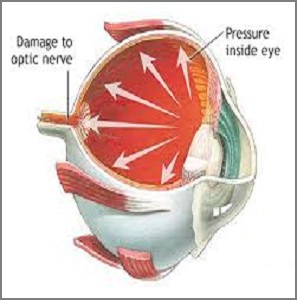
What is Glaucoma?
Anything that slows or blocks the flow of this fluid out of the eye will cause pressure to build up in the eye.
The increased pressure causes compression of the optic nerve which can eventually lead to nerve damage. Glaucoma can cause partial vision loss, with blindness as a possible eventual outcome.
Glaucoma refers to the condition of increased intraocular pressure causing nerve damage at the back of the eye which can be detected clinically and/or by a set of specialized investigations called Visual Fields and Retinal Nerve Fibre Analysis. Increased pressure alone does not constitute glaucoma but must raise an alarm, similarly normal pressure may also cause nerve damage.
This nerve loss causing VISION LOSS IS IRREVERSIBLE, hence the need to detect and arrest progression of nerve loss in the early stages.
Types of Glaucoma
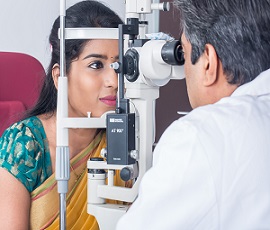
What tests are done to detect Glaucoma?
A comprehensive (complete) eye examination is needed to diagnose glaucoma. The examination will include vision, refraction, tonometry (eye pressure checkup), and evaluation of the nerve and retina after dilatation. Some of the other tests may include using a special lens to look at the angle (drain) of the eye (gonioscopy),visual field testing and scanning of the nerve with the help of specialized equipments(OCT).
Treatment of Glaucoma
The goal of treatment is to reduce eye pressure. Treatment depends on the type of glaucoma that one has. Most people can be treated successfully with eye drops. Most of the eye drops used today have fewer side effects than those used in the past. Tablets may also be given to lower pressure in the eye. Other treatments may involve Laser therapy. Eye surgery for glaucoma is reserved for those whose pressure doesn’t get controlled with drops or laser.
Expectations (prognosis)
Open-angle glaucoma cannot be cured. However, you can manage your symptoms by closely following your doctor's instructions. Regular check-ups are needed to prevent blindness. Angle-closure glaucoma is a medical emergency. You need treatment right away to save your vision. Babies with congenital glaucoma usually do well when surgery is done early. How well a person with secondary glaucoma does depends on the disease causing the condition.
Please Note......
- Routine eye examination by an ophthalmologist is the key to early detection of glaucoma.
- Risk factors for developing Glaucoma, Increasing age (>60yrs), Family history of glaucoma, Injury to the eye, Nearsightedness Diabetics, High blood pressure, Long-term steroid treatment, African lineage
Frequently Asked Questions (FAQ)
Glaucoma is a group of eye diseases that damage the optic nerve, often due to increased pressure inside the eye. It is called the “sneak thief of sight” because it can cause gradual, irreversible vision loss without noticeable symptoms in its early stages.
In most cases of open-angle glaucoma, there are no early warning signs. As the disease progresses, people may notice gradual loss of peripheral vision. Acute angle-closure glaucoma, however, can cause severe eye pain, blurred vision, halos around lights, headache, nausea, and vomiting.
People over 40, those with a family history of glaucoma, diabetes, high blood pressure, severe nearsightedness, long-term steroid use, or previous eye injuries have an increased risk. Regular comprehensive eye examinations are recommended for early detection.
Yes. Vision loss caused by glaucoma is irreversible because the damaged optic nerve cannot regenerate. However, early diagnosis and timely treatment can slow or prevent further vision loss in many patients.
Glaucoma is diagnosed through a comprehensive eye examination that may include measurement of intraocular pressure, optic nerve evaluation, visual field testing, corneal thickness assessment, and imaging studies to detect early damage.
There is currently no cure for glaucoma, but it can often be effectively managed. Treatments such as prescription eye drops, laser procedures, or surgery are designed to lower eye pressure and preserve remaining vision.
Treatment depends on the type and severity of glaucoma. Options include medicated eye drops, oral medications, laser therapy, minimally invasive glaucoma surgery (MIGS), and conventional glaucoma surgery to reduce eye pressure and protect the optic nerve.
Adults should have regular comprehensive eye examinations as recommended by their ophthalmologist, especially after age 40 or if they have risk factors such as diabetes, Hypertension or a family history of glaucoma. Early screening is the best way to detect the disease before significant vision loss occurs.
Yes. Many people with glaucoma have no symptoms and maintain normal central vision until the disease is advanced. This is why routine eye checkups are essential, even if your eyesight appears to be unaffected.
Glaucoma and cataracts are different eye conditions, although they can occur together, especially in older adults. Cataracts cloud the eye’s natural lens, while glaucoma damages the optic nerve. An ophthalmologist can evaluate and manage both conditions appropriately.
Yes, many insurance plans provide coverage for glaucoma surgery if it is considered medically necessary and performed at a network hospital. Coverage limits and eligibility vary as per policy.