
Cataract and Cataract - Refractive Surgery
Cataracts occur when the natural lens of the eye becomes cloudy, causing vision impairment. Cataract surgery is one of the most common and successful procedures performed to restore clear vision.
Cataract and Cataract - Refractive Surgery
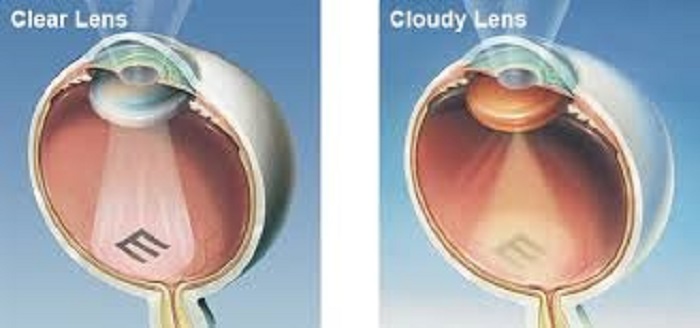
Eyes have an important structure called lens, which helps focus the rays of light on to the retina. Clouding or opacification of the lens is cataract.
This may be present at birth or occur due to injury but the most common variety is related to age (Senile Cataract). This is the most common cause of visual disability in the aged population.
Cataract is the Commonest Cause
Cataract is the commonest cause of preventable blindness in the world. The treatment is surgical with replacement of the opacified lens with an artificial intraocular lens.
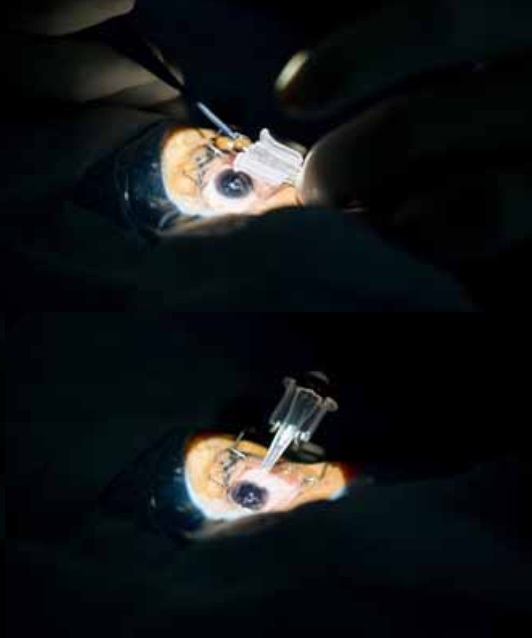
The current method of performing suture less surgery with a small incision by using the phacoemulsification machine and the introduction of a foldable lens results in early visual rehabilitation.
Centre for Eye and Health Care (CEHC) is equipped with the latest microscopes and phacoemulsification machines and the surgeries are done in modern operating theatres with standards as defined by NABH and with disposable consumables from companies of repute for optimal results.
The options of cataract removal are, manual or by phacoemulsification.
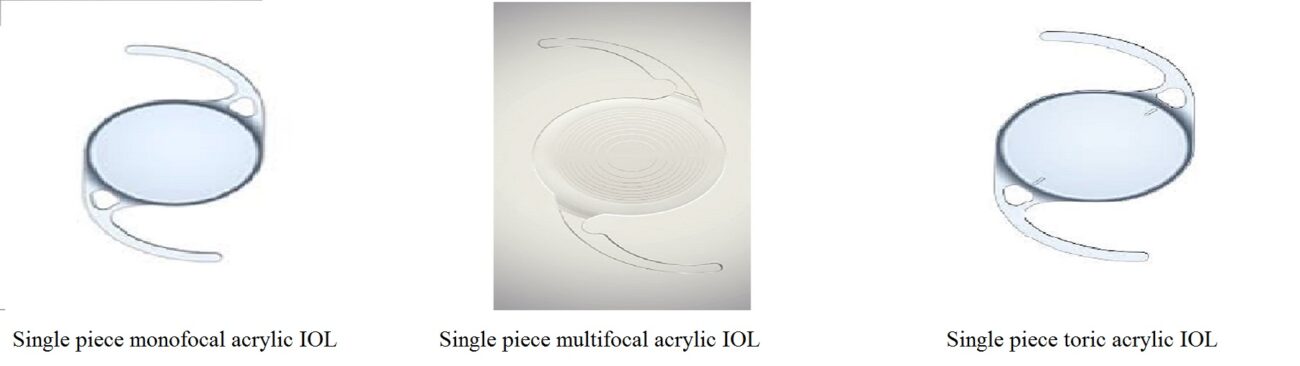
Intraocular lens(IOL).
IOL and The techniques
The type of IOL and the techniques to be adopted depends on the eye condition, type of cataract, cost and requirement of the patient. It is best to discuss with your surgeon and decide on the type of lens suited for you.
Please Note......
Frequently Asked Questions (FAQ)
Common symptoms include blurred or cloudy vision, difficulty seeing at night, increased glare from lights, faded colors, double vision in one eye, and frequent changes in spectacle prescription. An eye examination can confirm whether cataracts are affecting your vision.
Cataract surgery is usually recommended when vision problems begin to interfere with daily activities such as reading, driving, working, or recognizing faces. Your ophthalmologist will assess your eye health and advise the right time for surgery.
Phacoemulsification is a modern cataract procedure that uses ultrasound energy to break up and remove the cloudy lens through a small incision. An artificial intraocular lens (IOL) is then implanted to restore vision.
Laser-assisted cataract surgery uses femtosecond laser technology to perform certain steps of the procedure with high precision,this is then followed by routine phacoemulsification to remove the cataract, while conventional surgery relies on manual techniques combined with phacoemulsification. Both need the ultrasound energy to remove the cataract.Your surgeon will recommend the most suitable approach for your eyes.
The implanted intraocular lens is placed in the eye after cataract removal to reduce the dependence on glasses. The ideal lens depends on your eye condition, lifestyle, and visual needs. Options may include monofocal, extended depth of focus (EDOF), and trifocal lenses, each offering different benefits for distance and near vision. All types may need a toric addition to correct the residual astigmatism. Following Biometry, a test to determine the lens power, your surgeon will discuss with you the best option.
No. Cataracts cannot be removed with medications, eye drops, exercises, or lasers. Surgery is the only effective treatment once the cloudy lens begins affecting vision.
Most cataract surgeries are completed within 15 to 30 minutes per eye. The procedure is typically performed using numbing (Topical anesthesia) eye drops or under local anesthesia, so patients usually experience little to no pain.
Many patients resume light daily activities within a day or two, although complete healing may take several weeks. Your doctor will provide personalized guidance on driving, exercise, and work based on your recovery.
It depends on the type of intraocular lens implanted and your individual vision needs. Premium lenses may reduce dependence on glasses, but some patients may still need spectacles for certain activities.
Yes, many people with diabetes or other eye diseases can safely undergo cataract surgery after a thorough preoperative evaluation. Your ophthalmologist may recommend additional tests or precautions to optimize outcomes.
In most cases, cataract surgery is performed on one eye at a time, allowing the first eye to heal before scheduling surgery for the second eye.
You can schedule an appointment for a comprehensive eye evaluation, where the ophthalmologist will assess your cataract, discuss suitable treatment options, and recommend the most appropriate intraocular lens based on your needs.
Yes, many health insurance policies cover medically necessary cataract surgery, subject to the policy’s terms, waiting periods, and eligibility criteria. It is advisable to verify your specific coverage with your insurance provider before the procedure.